Shop by Watch Style
Different Types of Watches
From dive watches built for elapsed timing, to chronographs designed to measure events, to GMT watches made for tracking multiple time zones, each category has its own purpose and defining features.
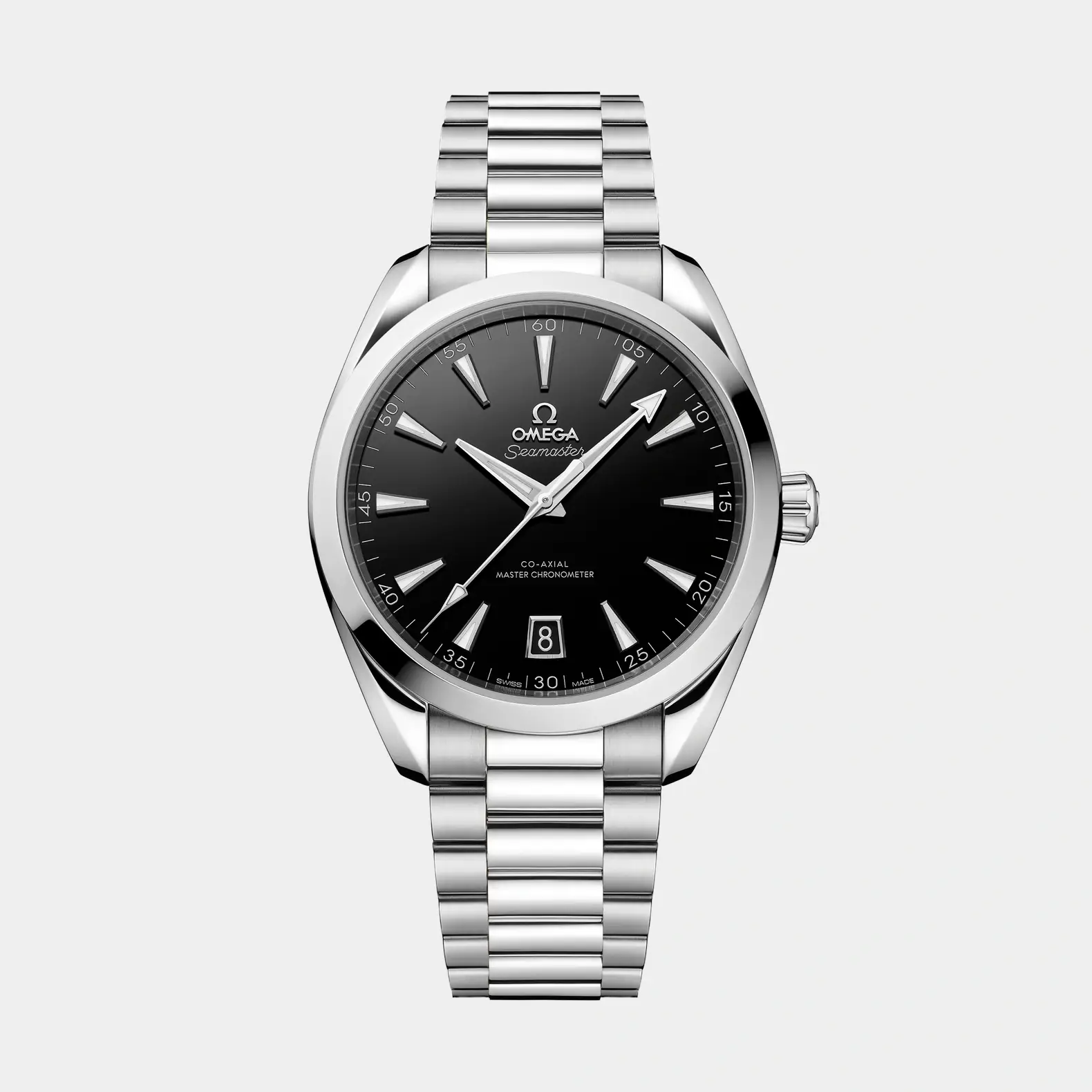
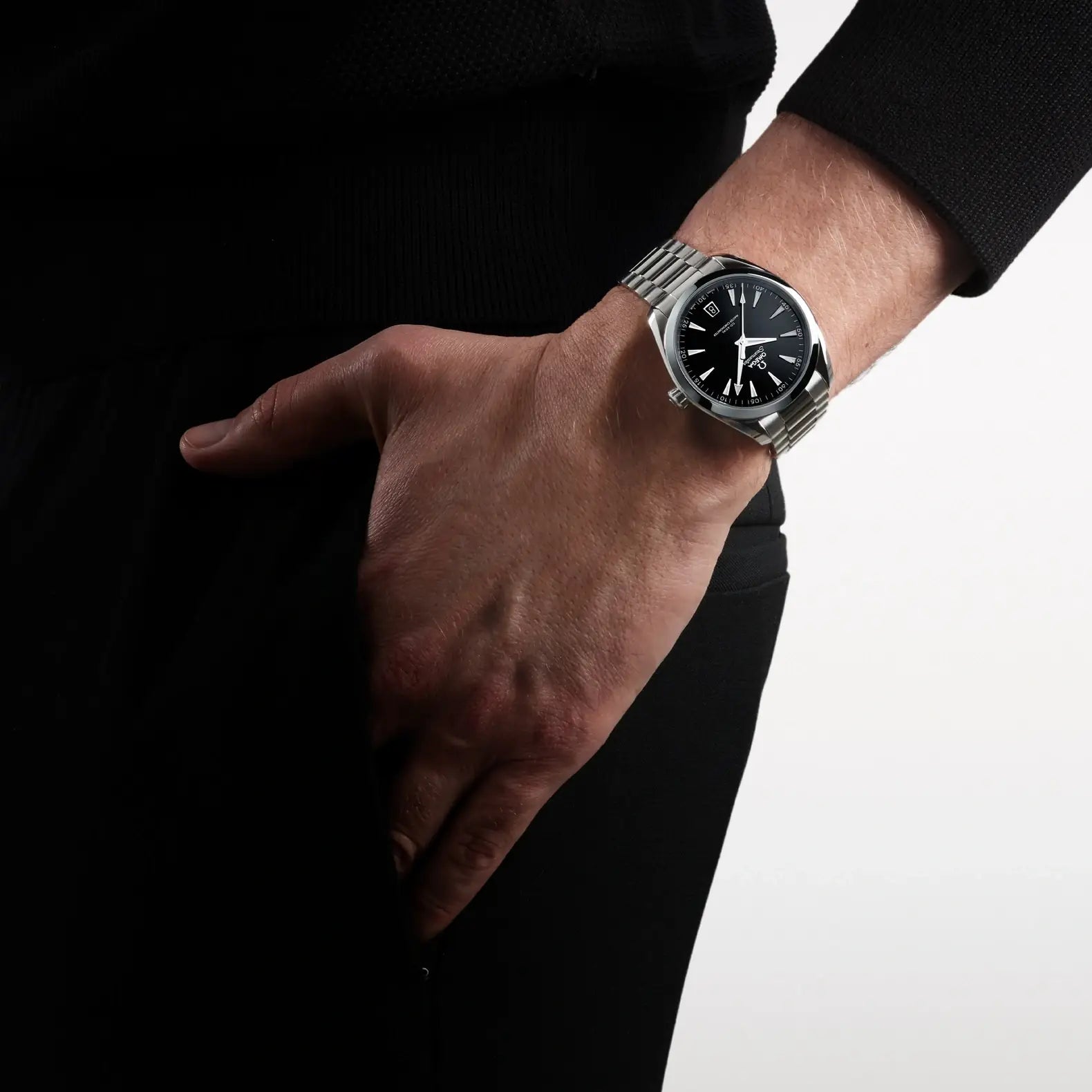
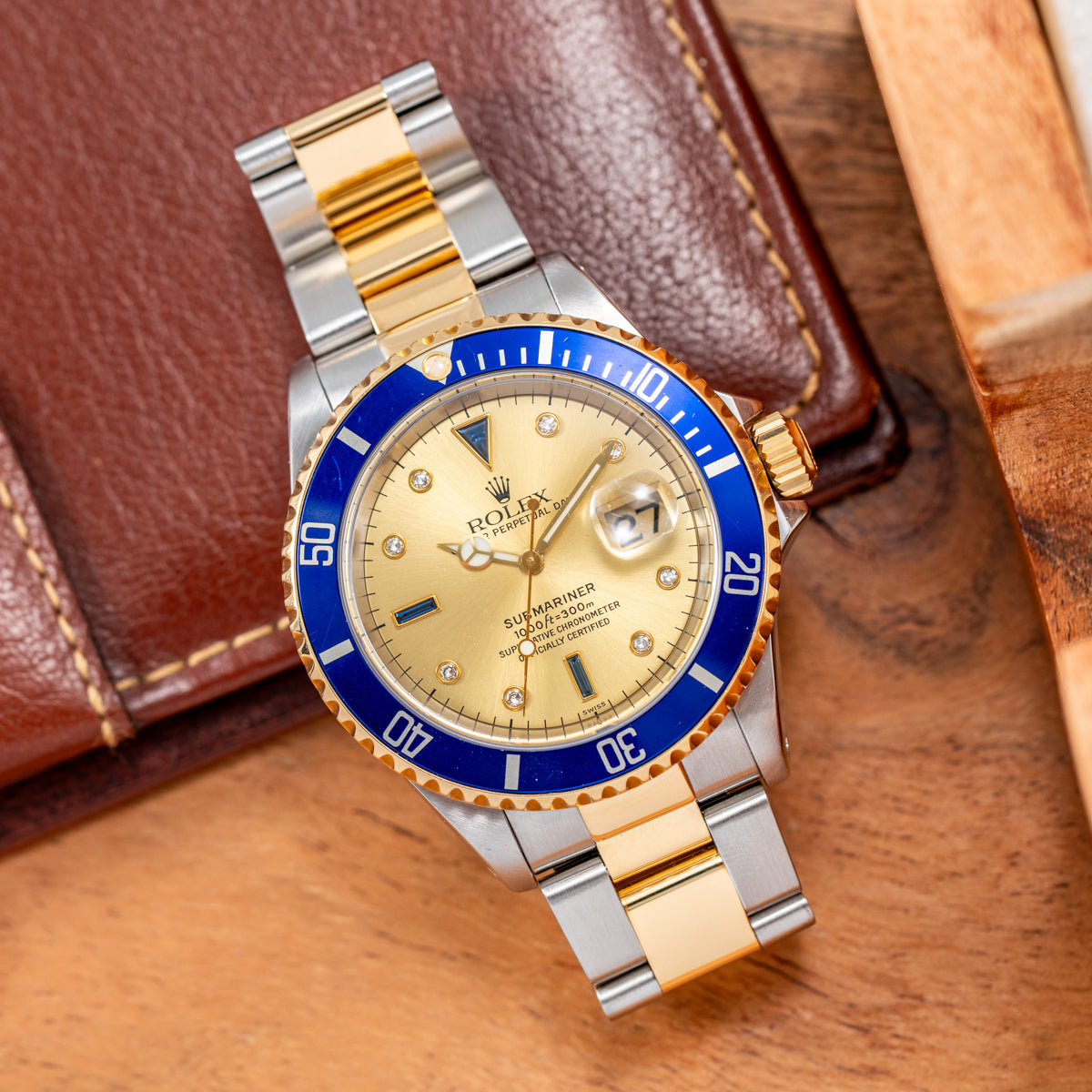
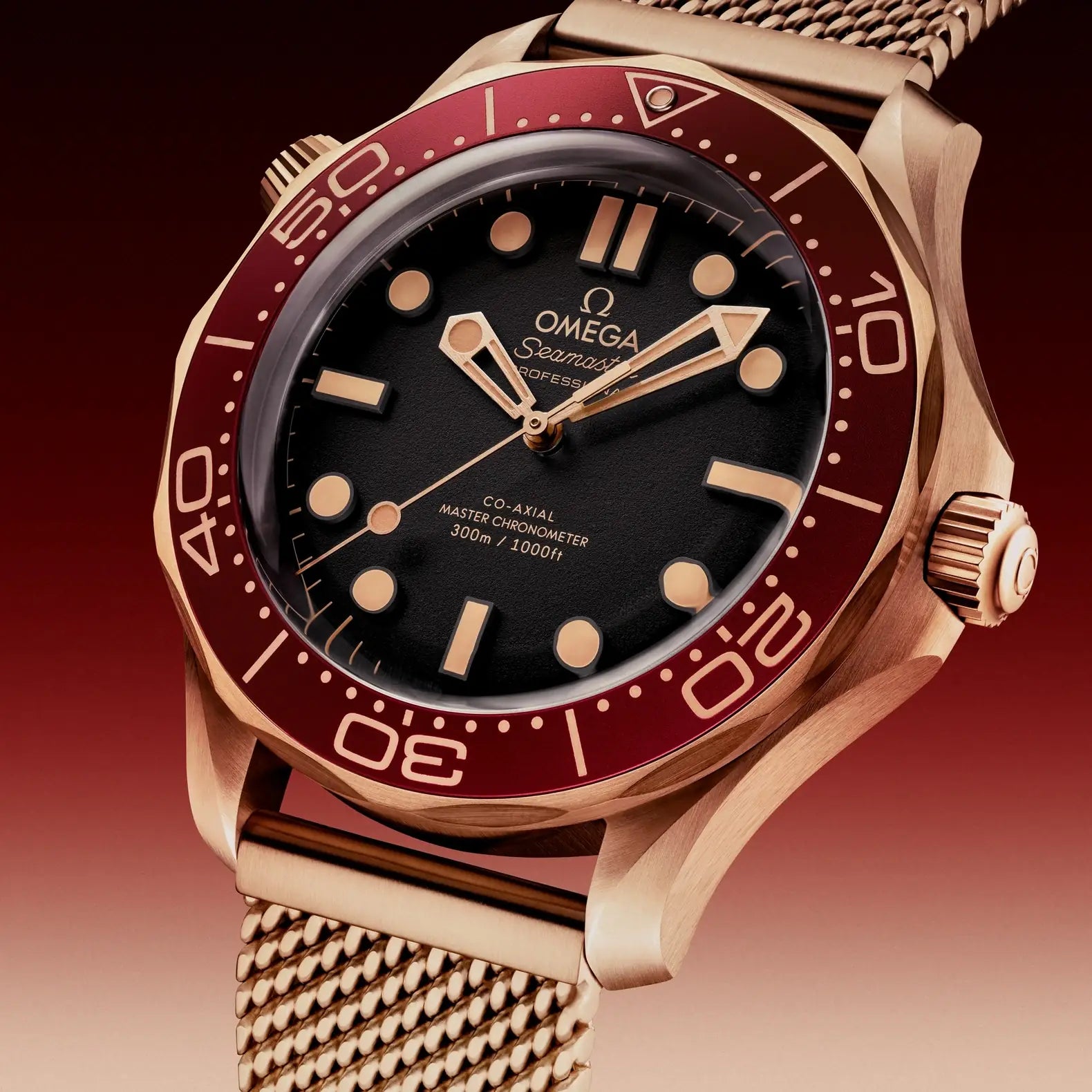
Dive Watch
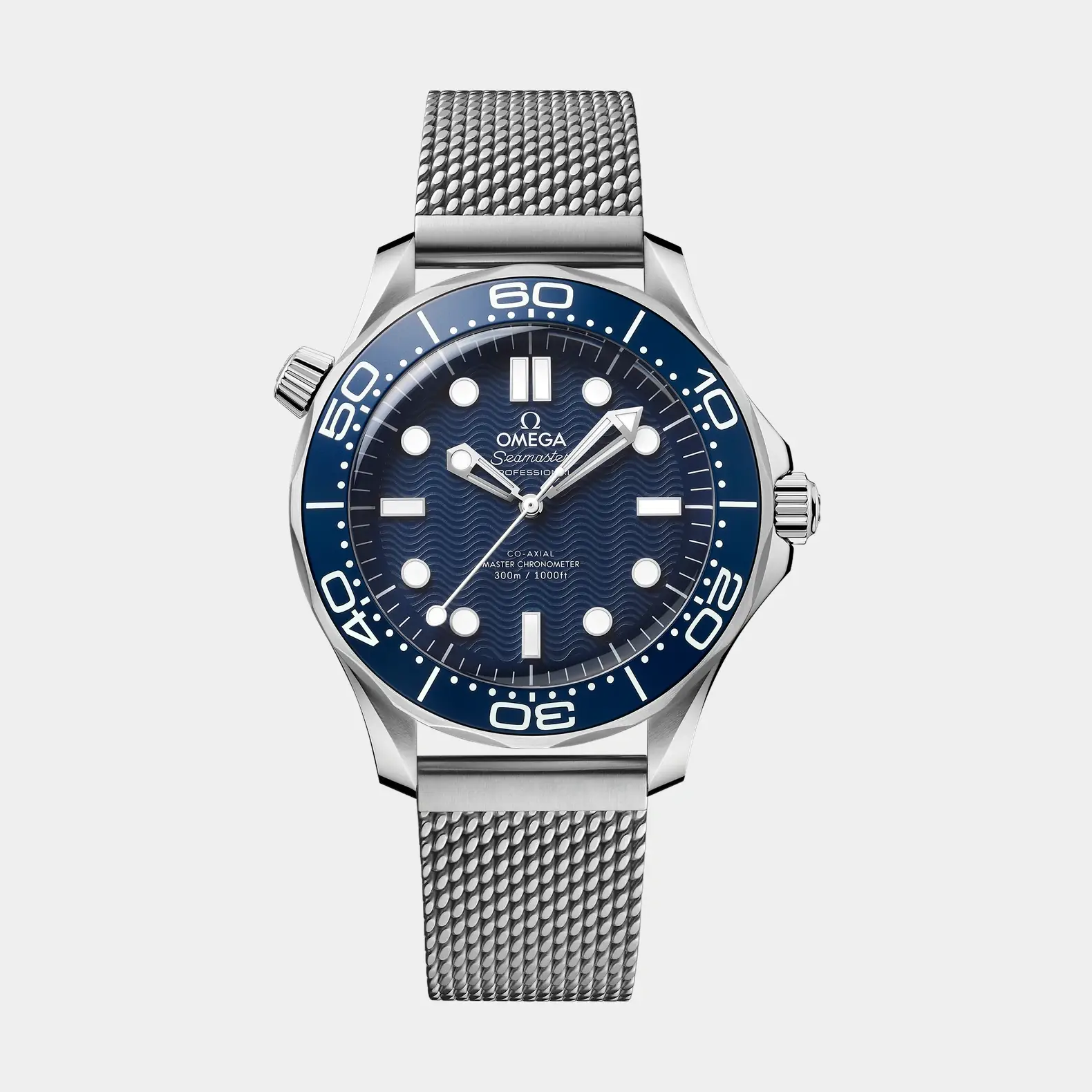
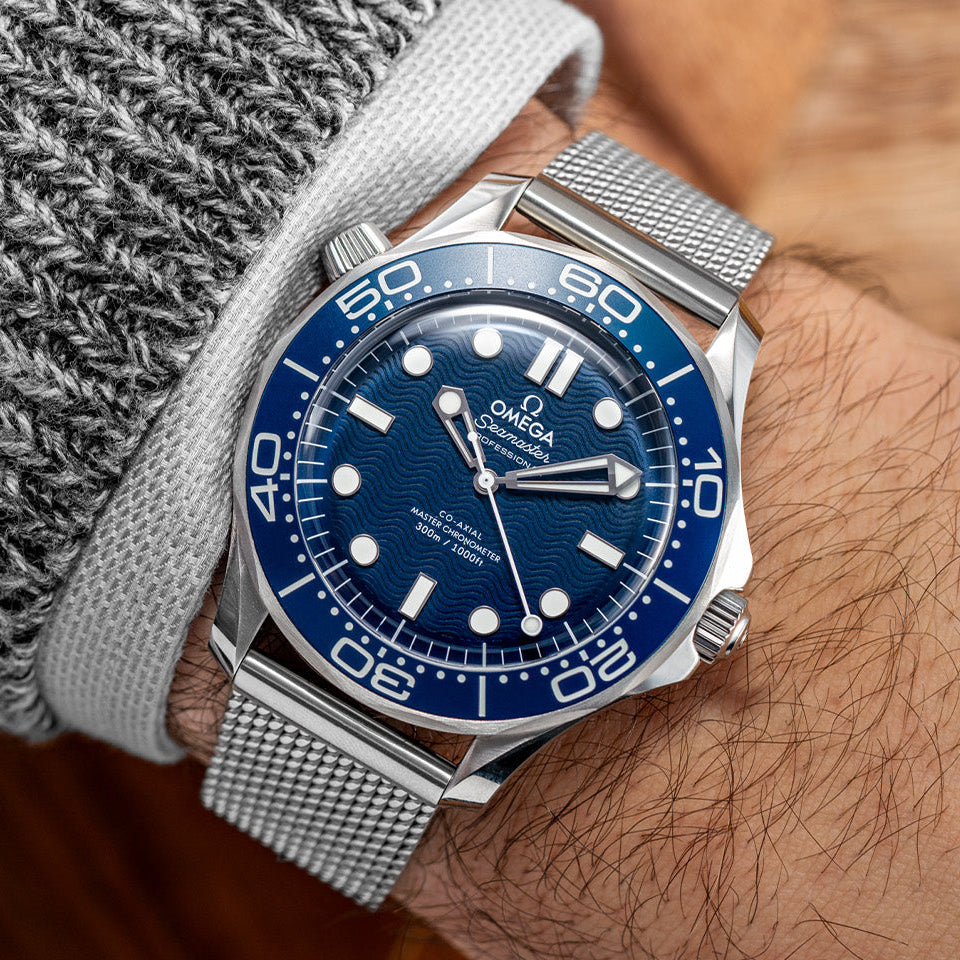
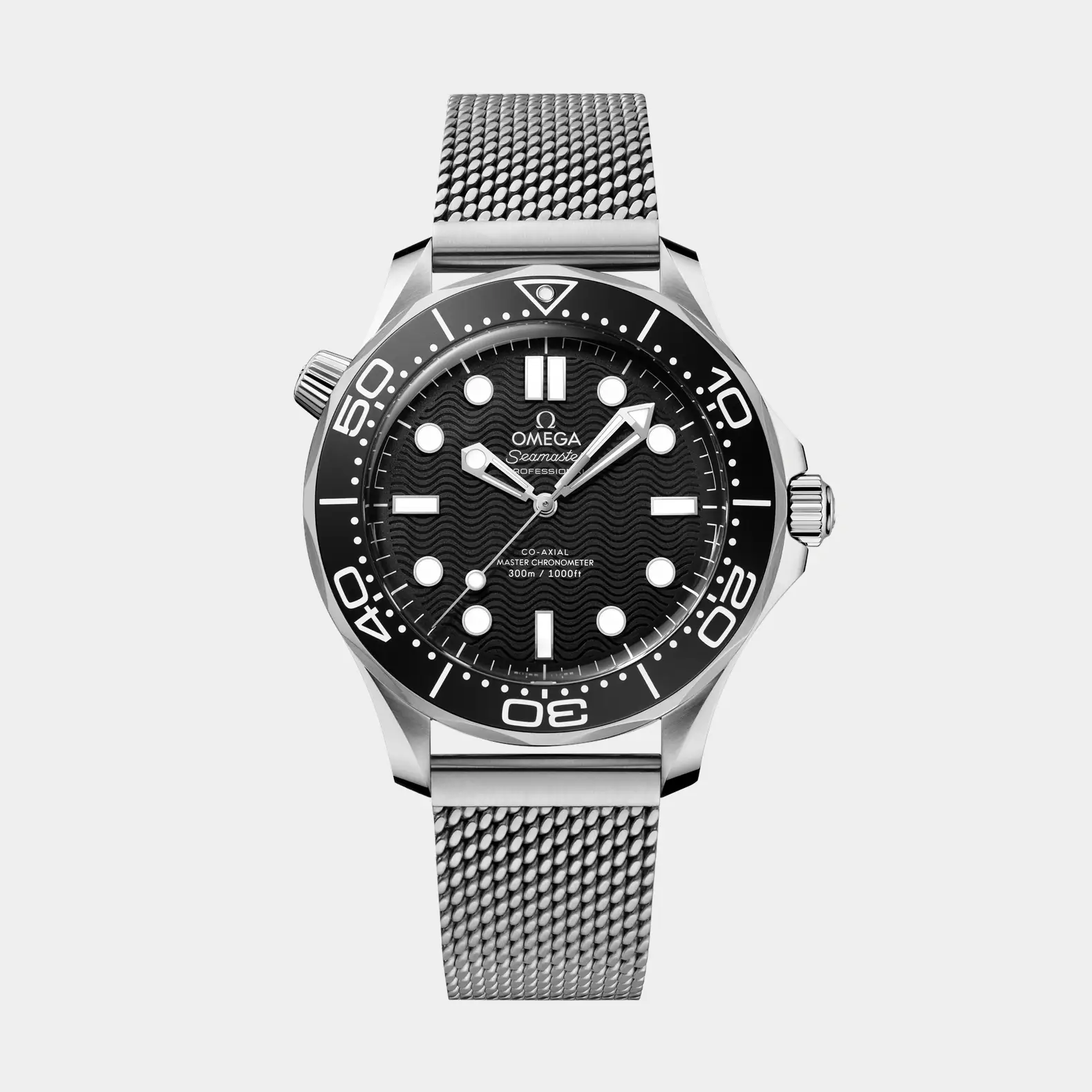
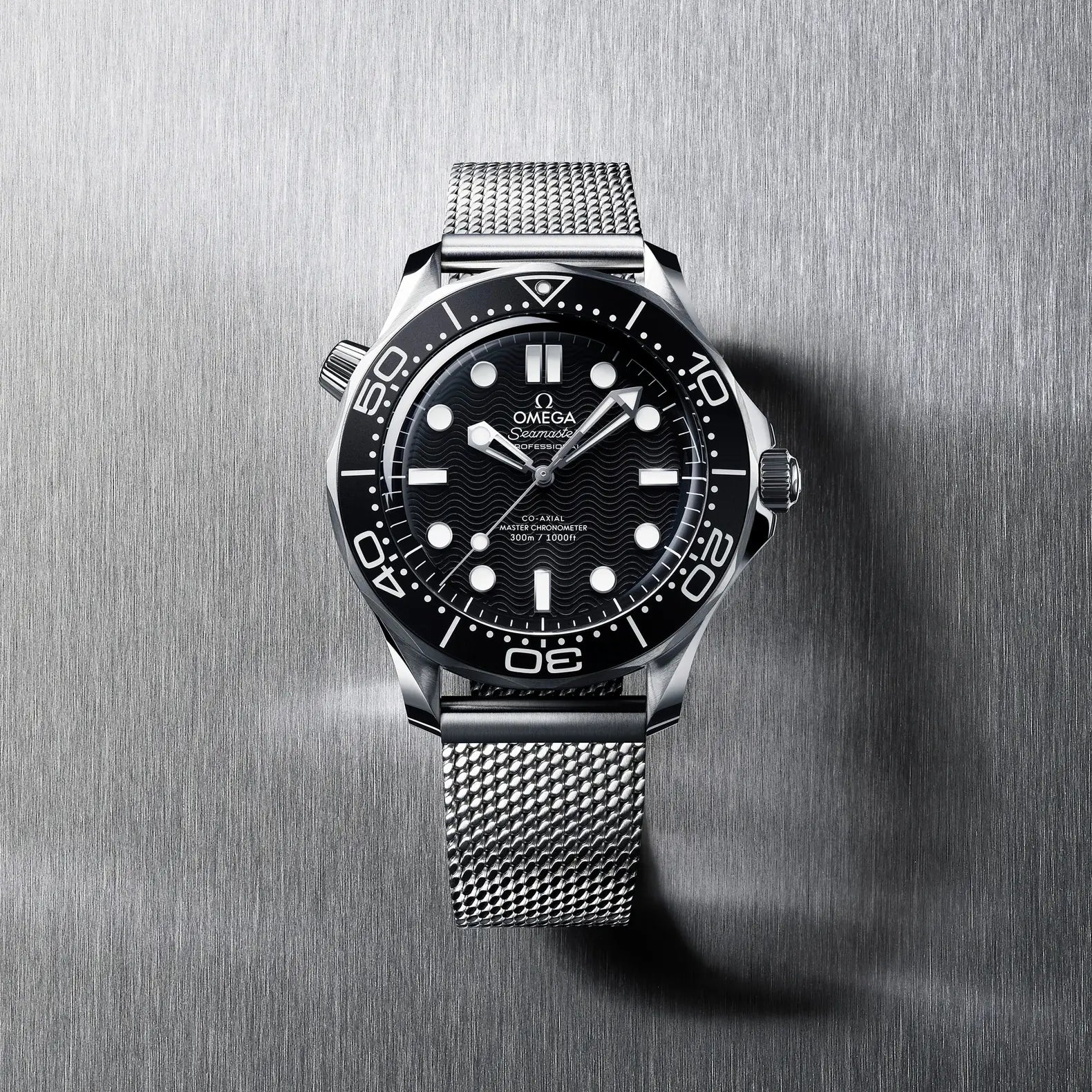
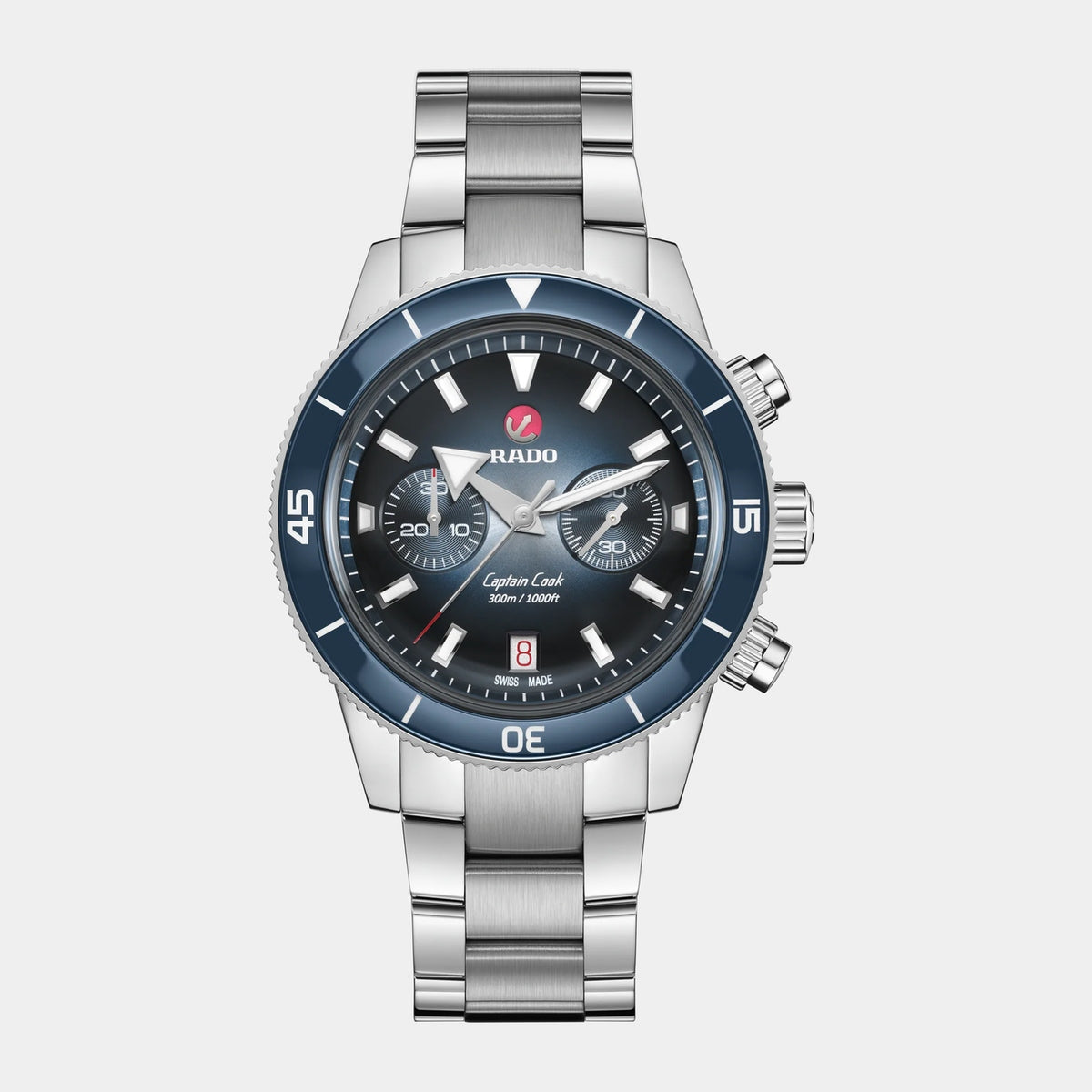
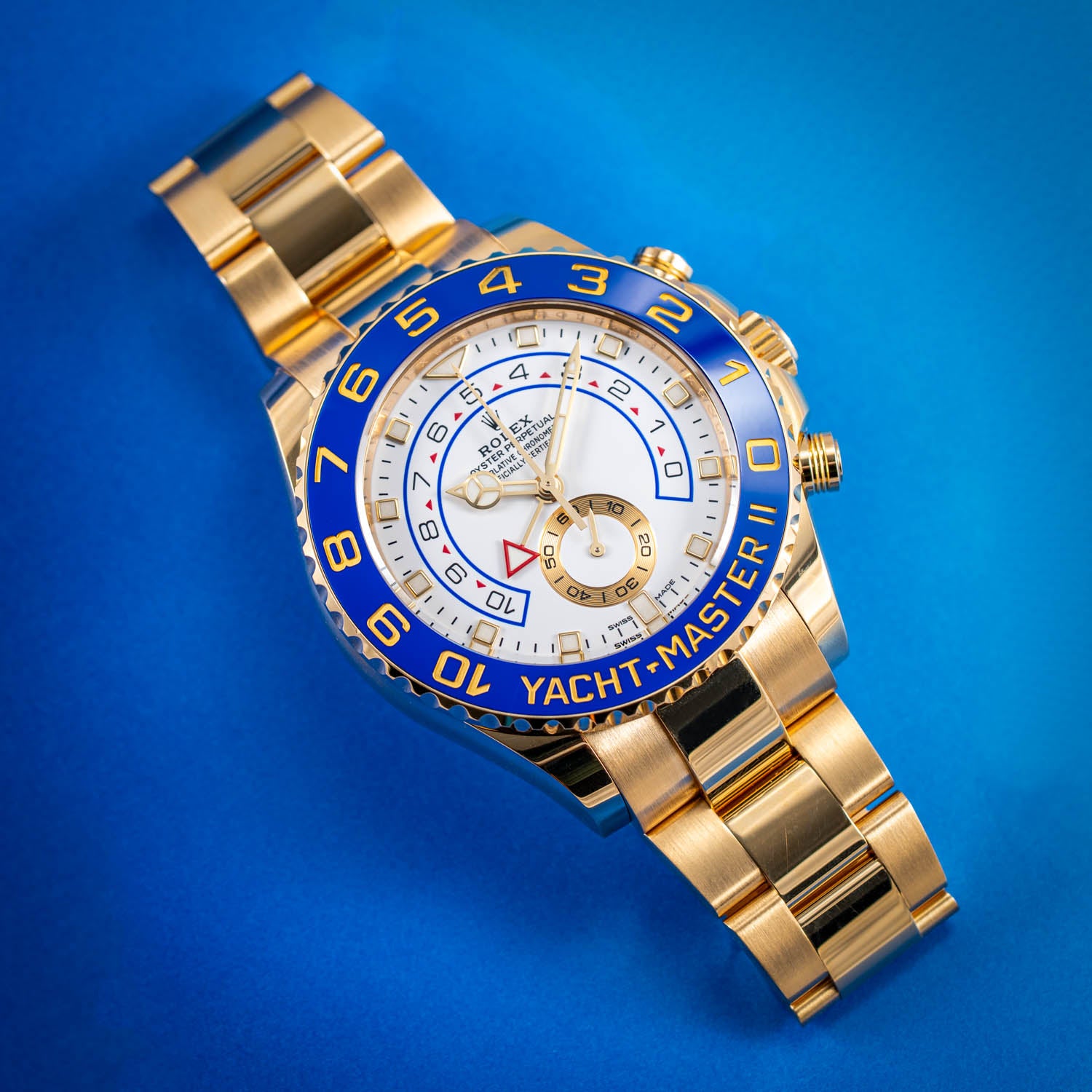
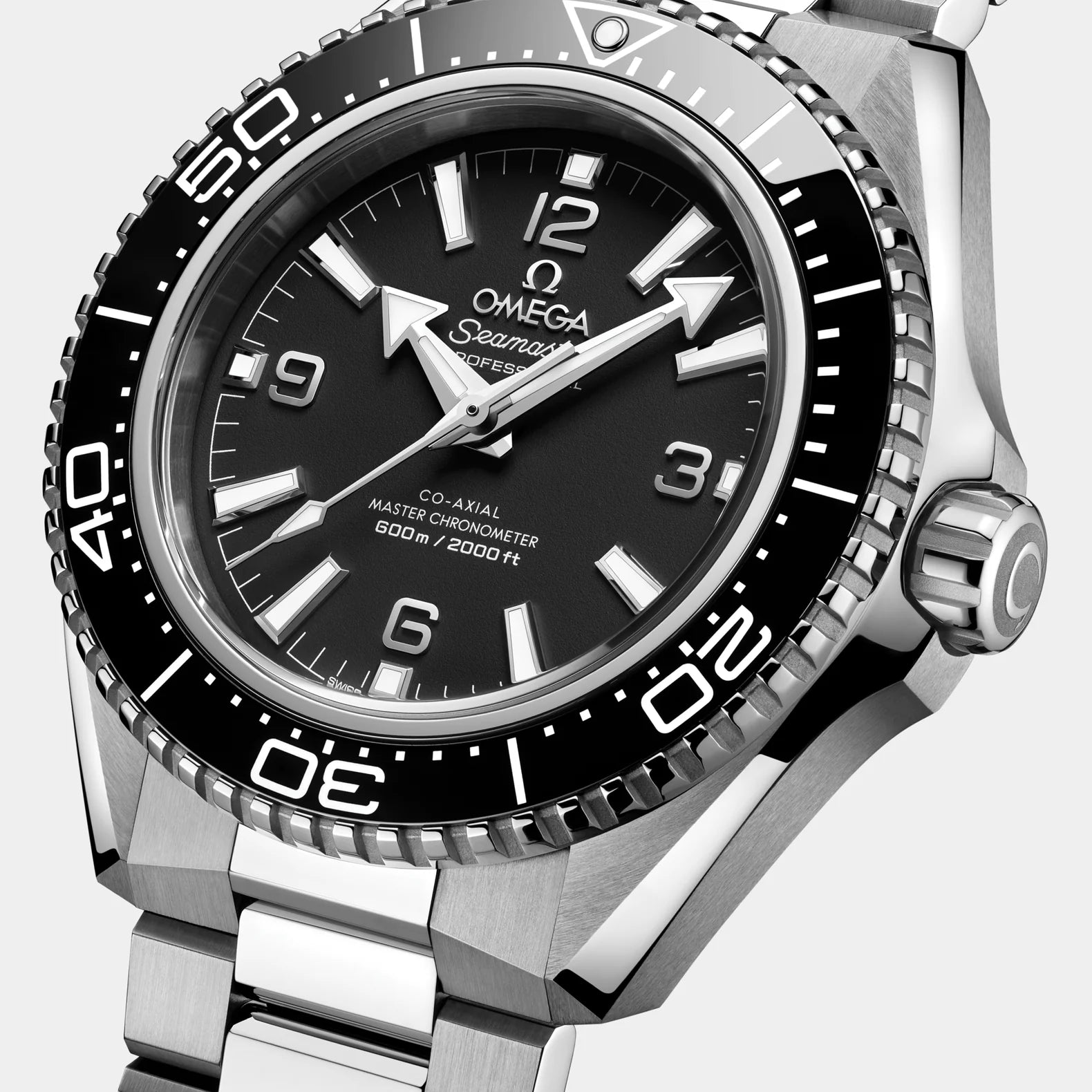
A dive watch is designed for underwater timing, strong legibility, and dependable case construction. Its defining details usually include a rotating bezel and sealing features intended to help protect the movement from moisture and pressure.
Unidirectional Bezel
The bezel is one of the defining features of a dive watch. It is used to track elapsed time by aligning the zero marker with the minute hand before entering the water.
Crown
The crown is used to wind the movement and set the time or date. On many dive watches it screws down against the case to help reinforce water resistance. Once secured, this construction helps reduce the chance of moisture entering through the winding stem and supports the overall sealing system of the watch.
Caseback Construction
The caseback helps seal the rear of the watch and plays an important role in water resistance. On many dive watches it is solid and tightly secured.
Chronograph
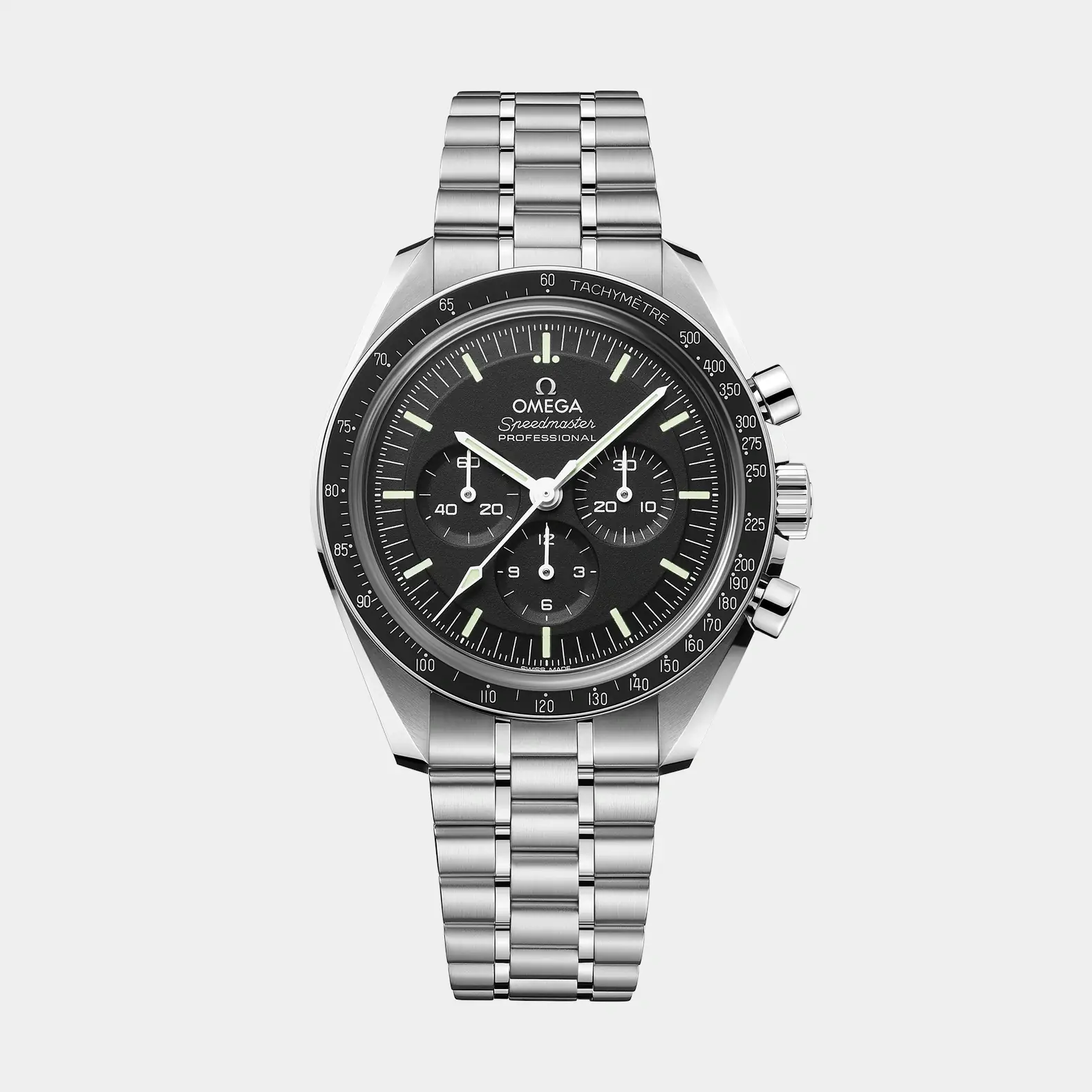
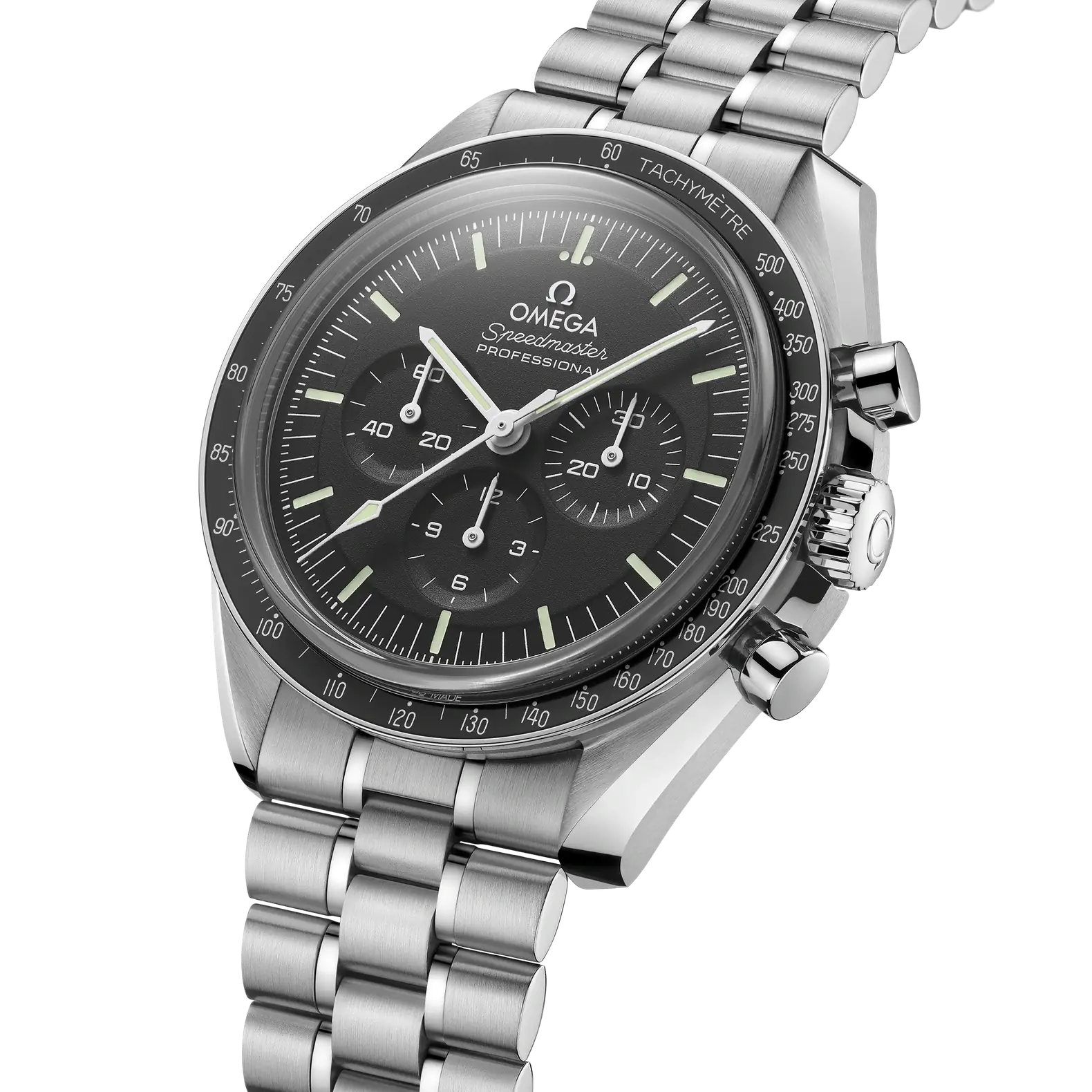
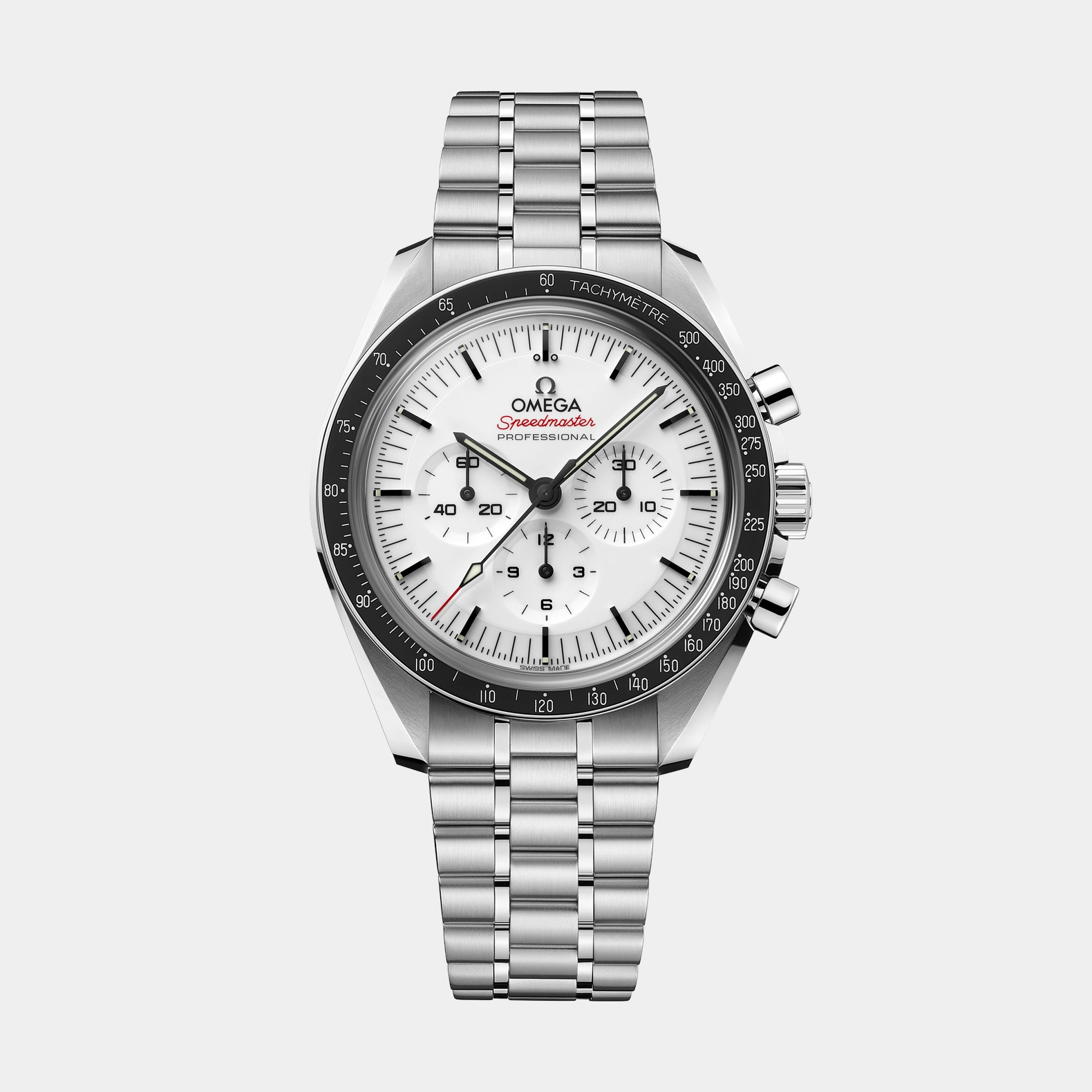
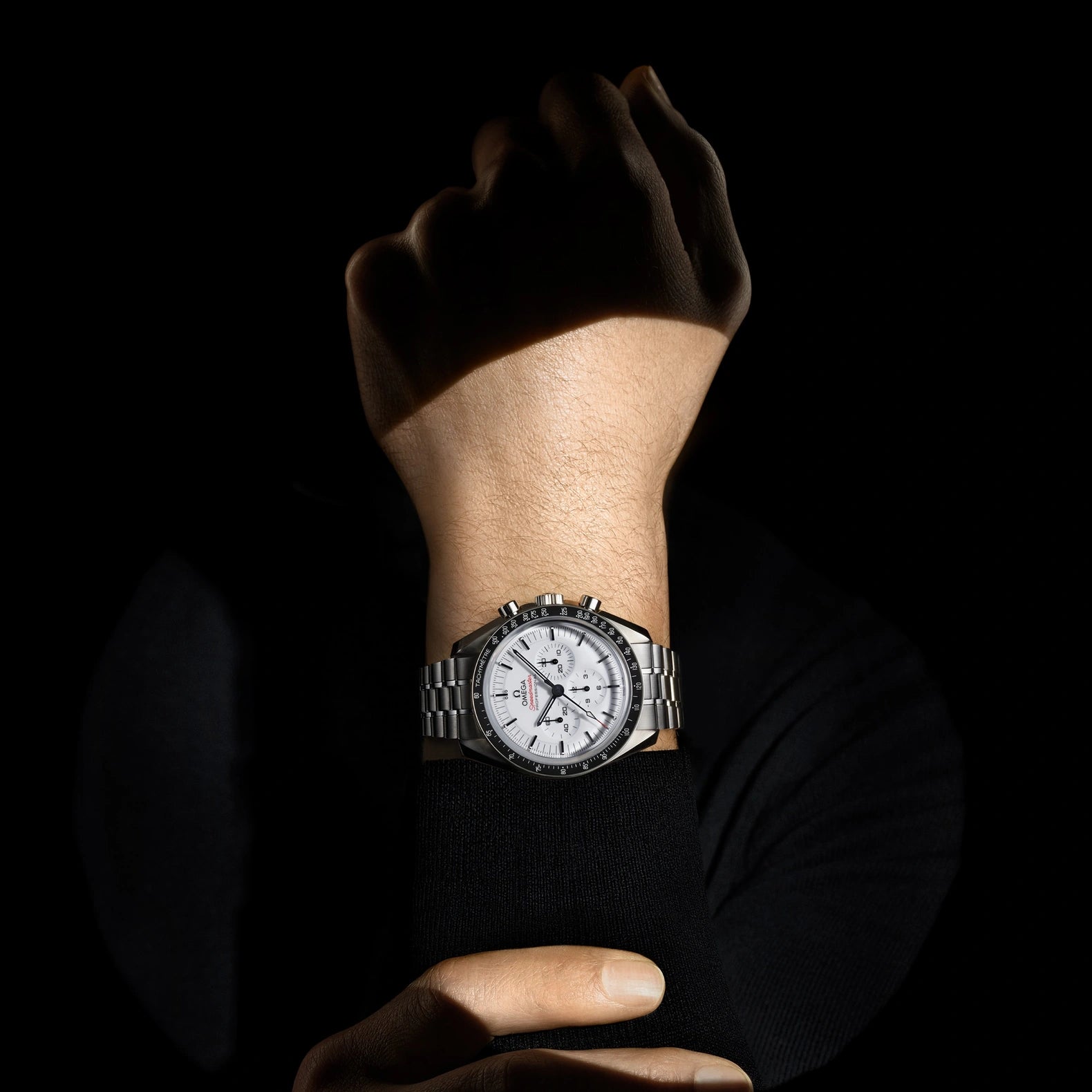
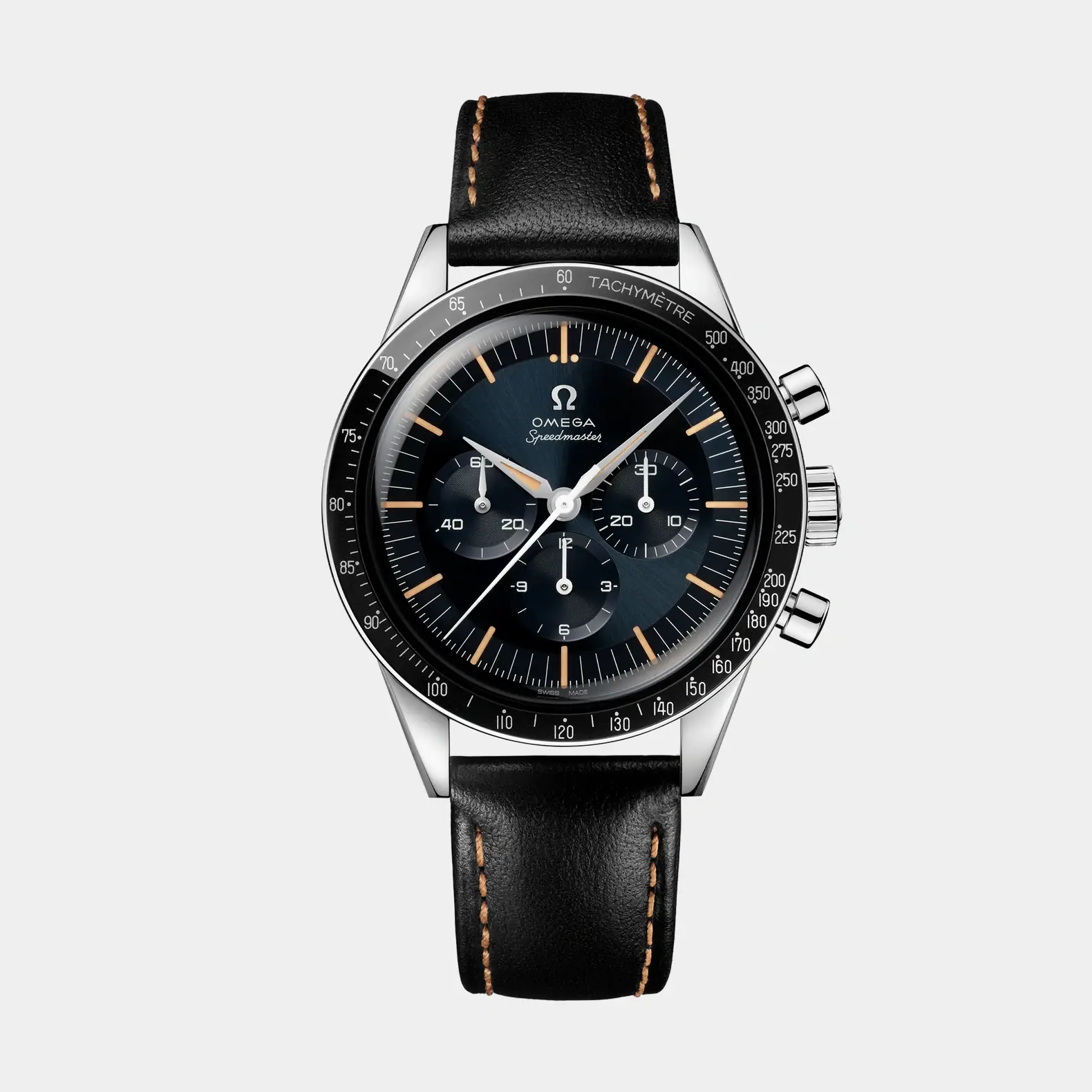
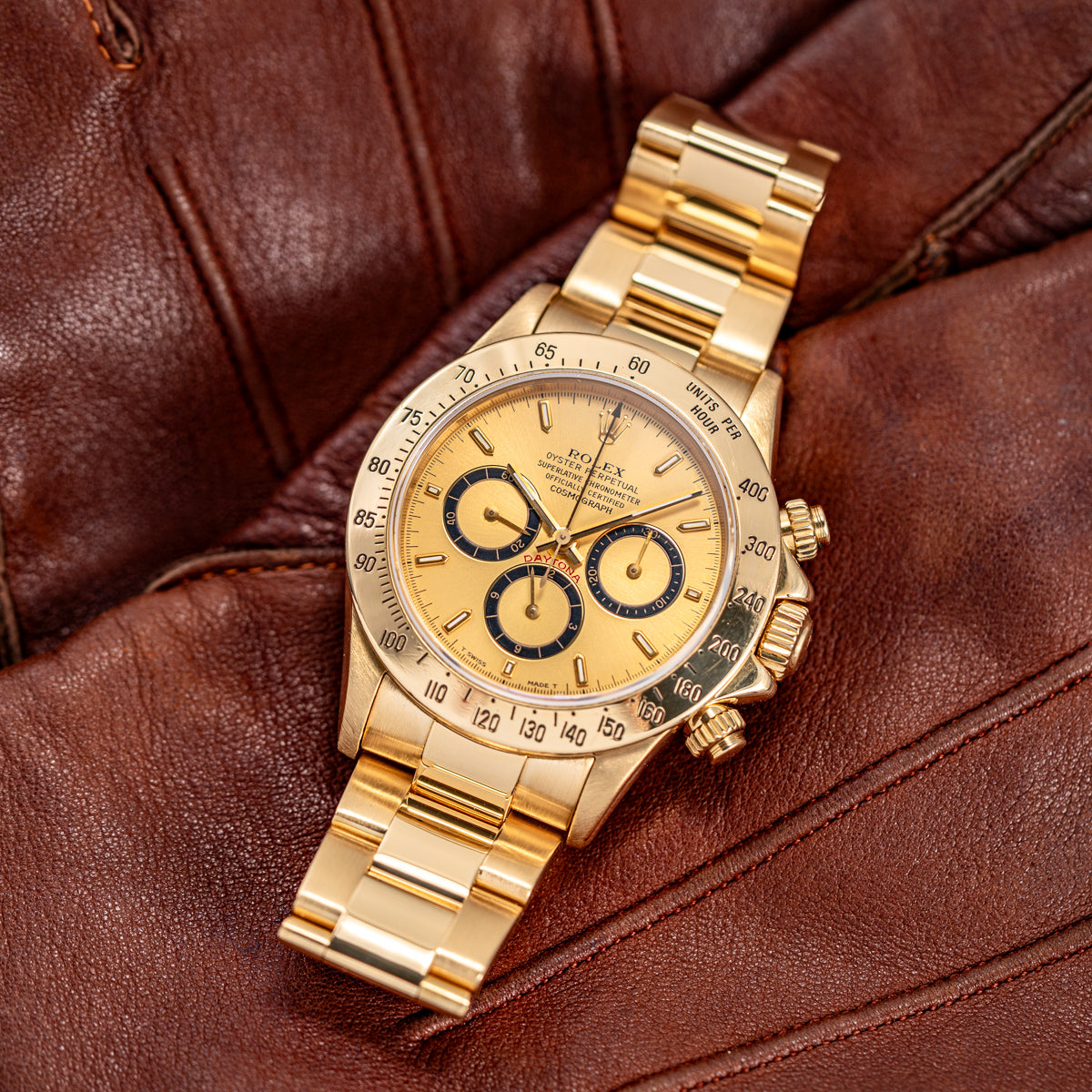
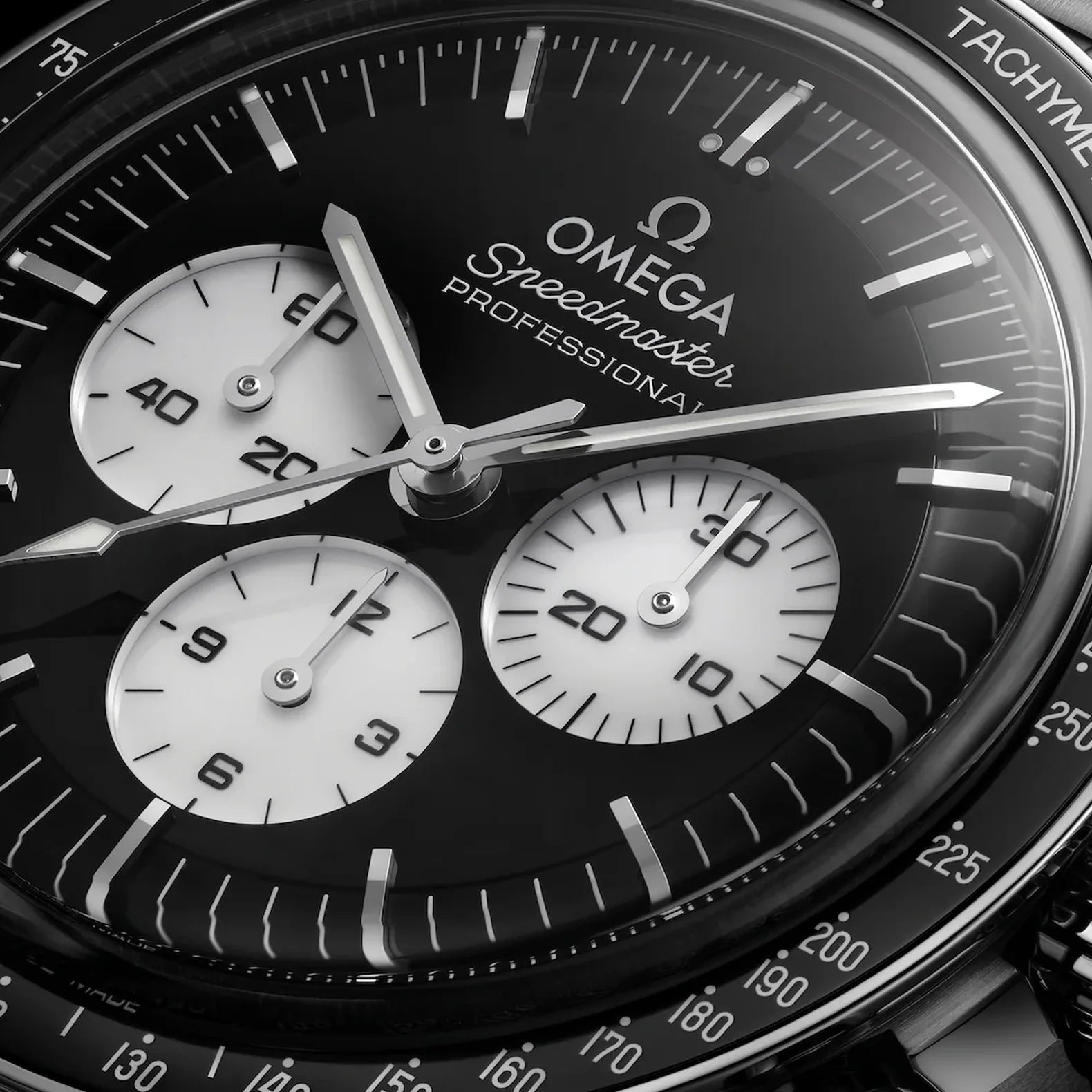
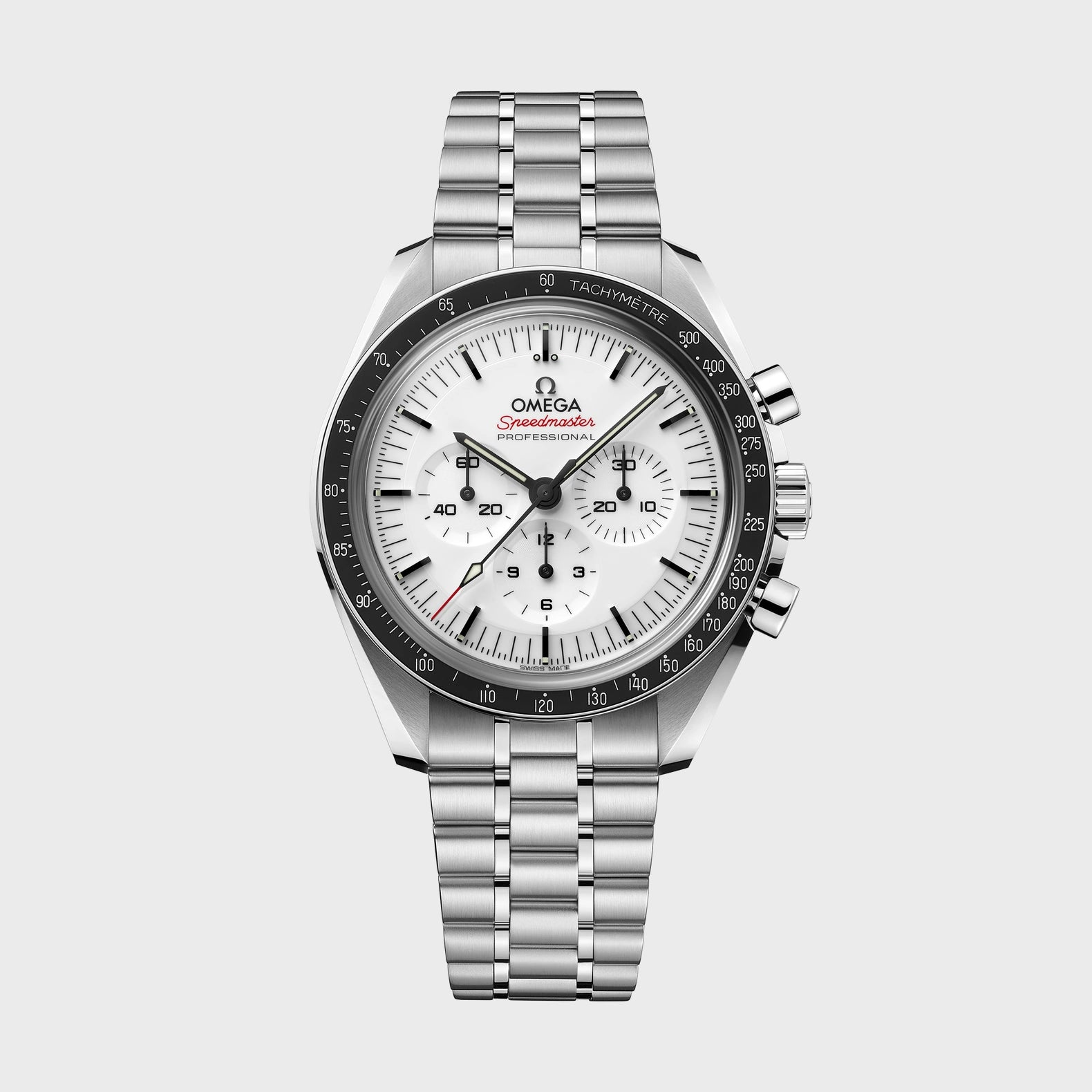
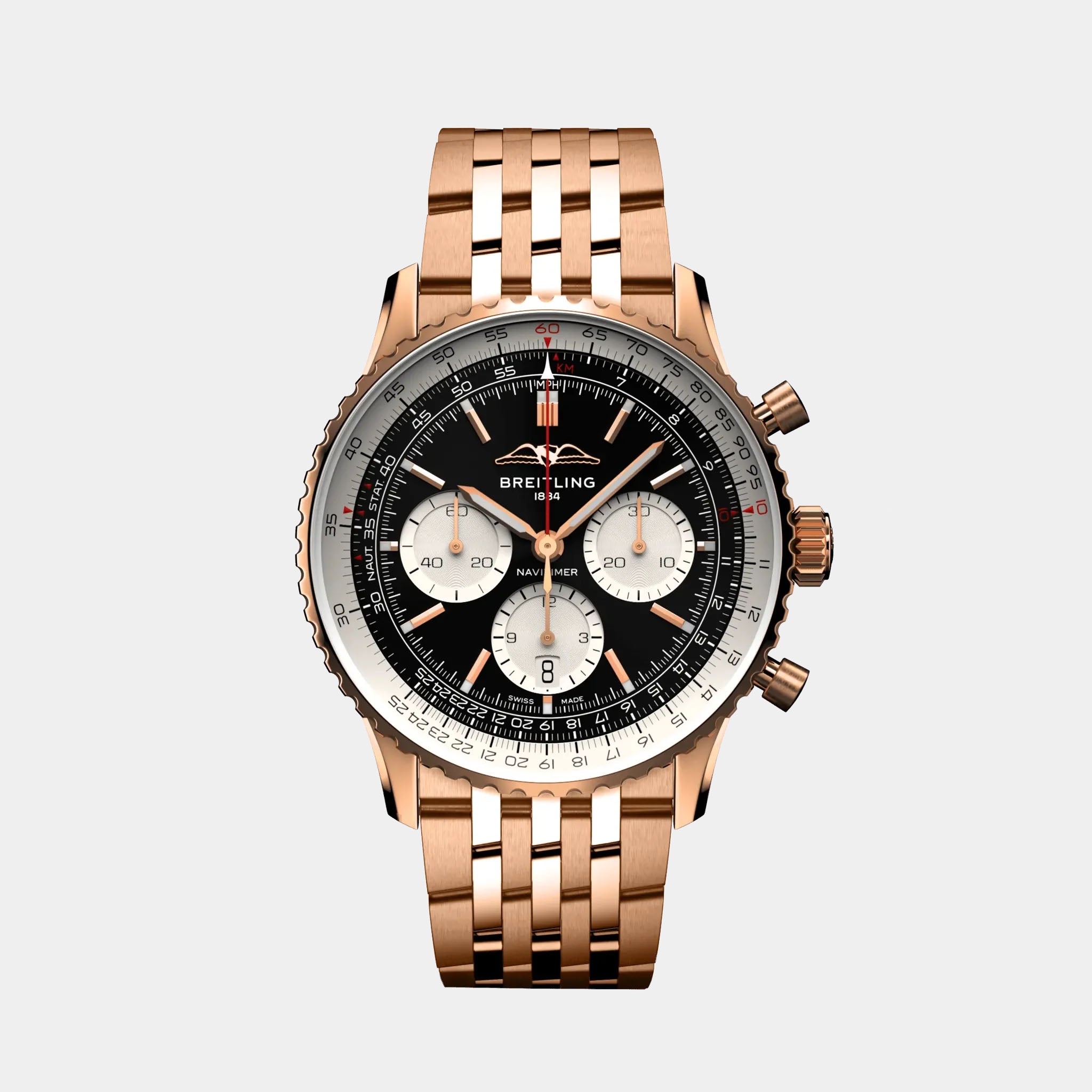
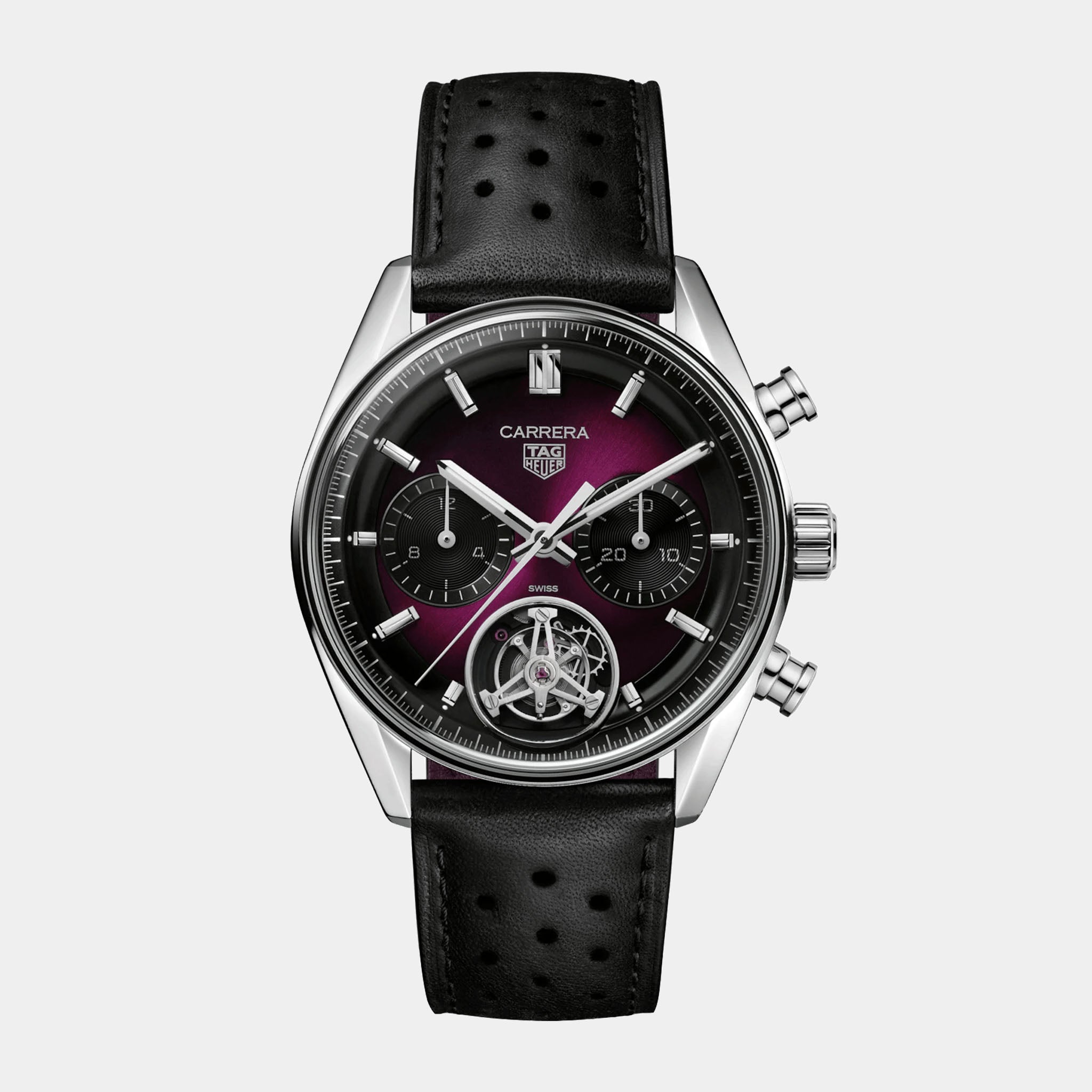
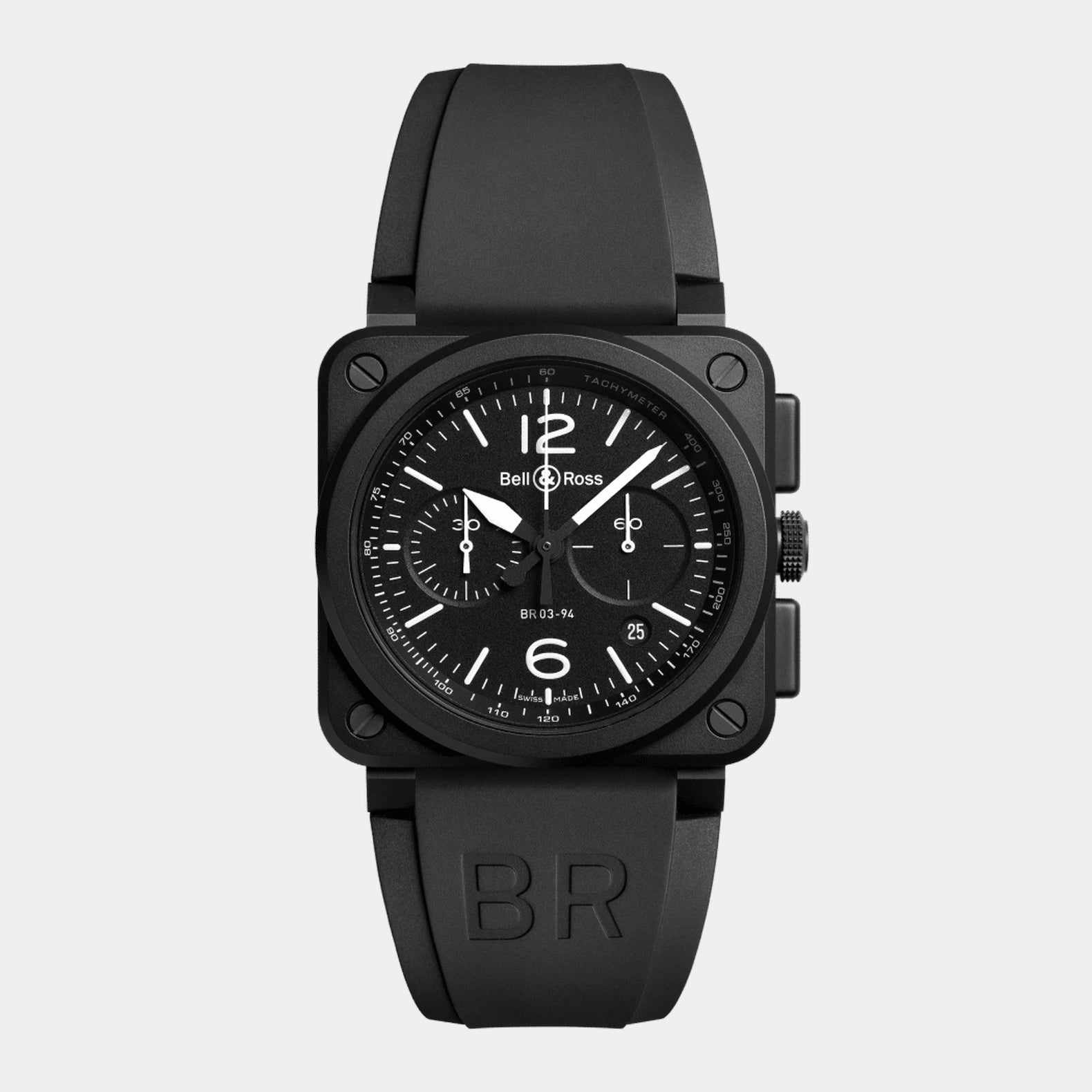
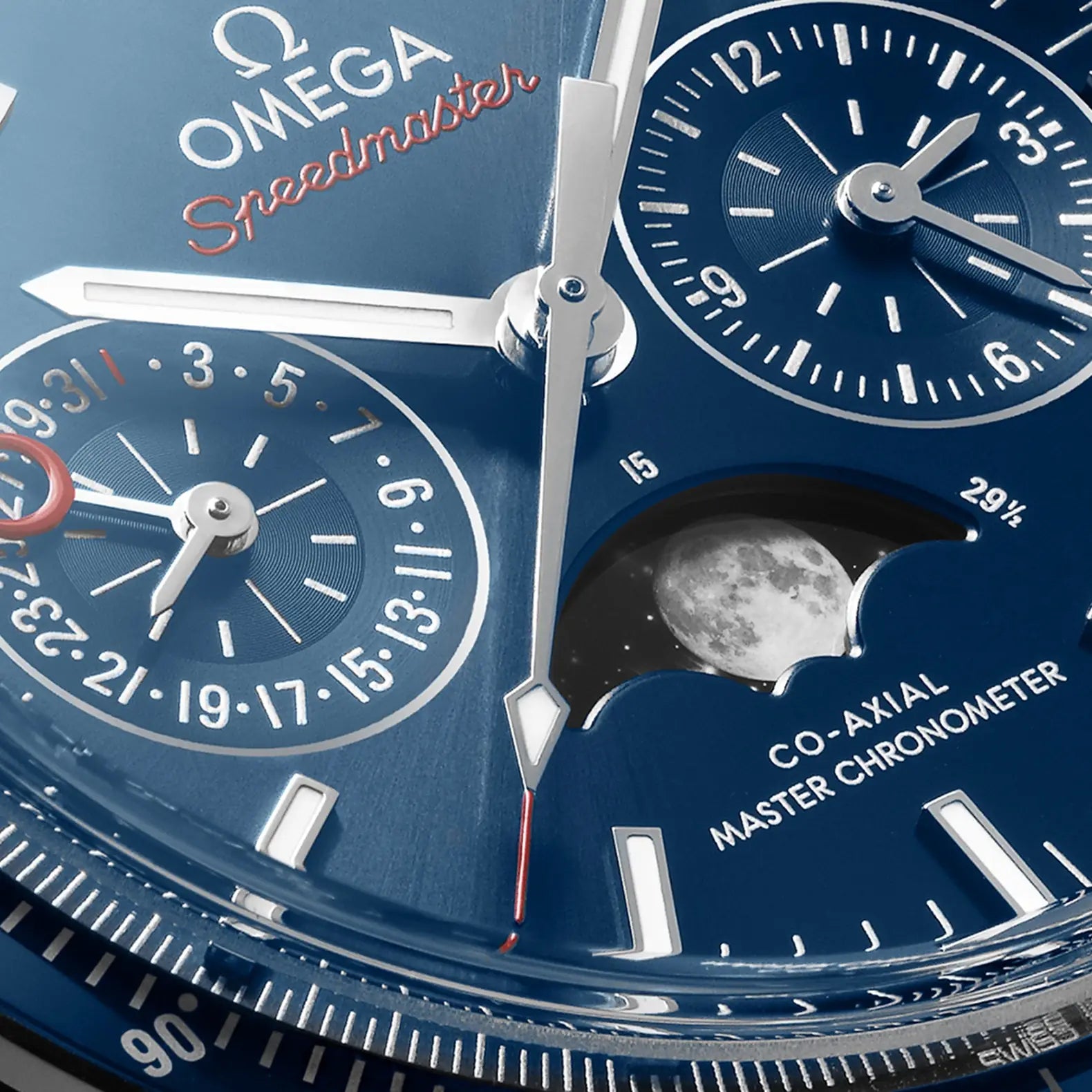
A chronograph adds stopwatch functionality to a traditional watch. Its design is built around measuring elapsed time, with external controls on the case and a movement that can start, stop, and reset an event.
Pushers
The pushers control the stopwatch function. One typically starts and stops the chronograph, while the other resets it.
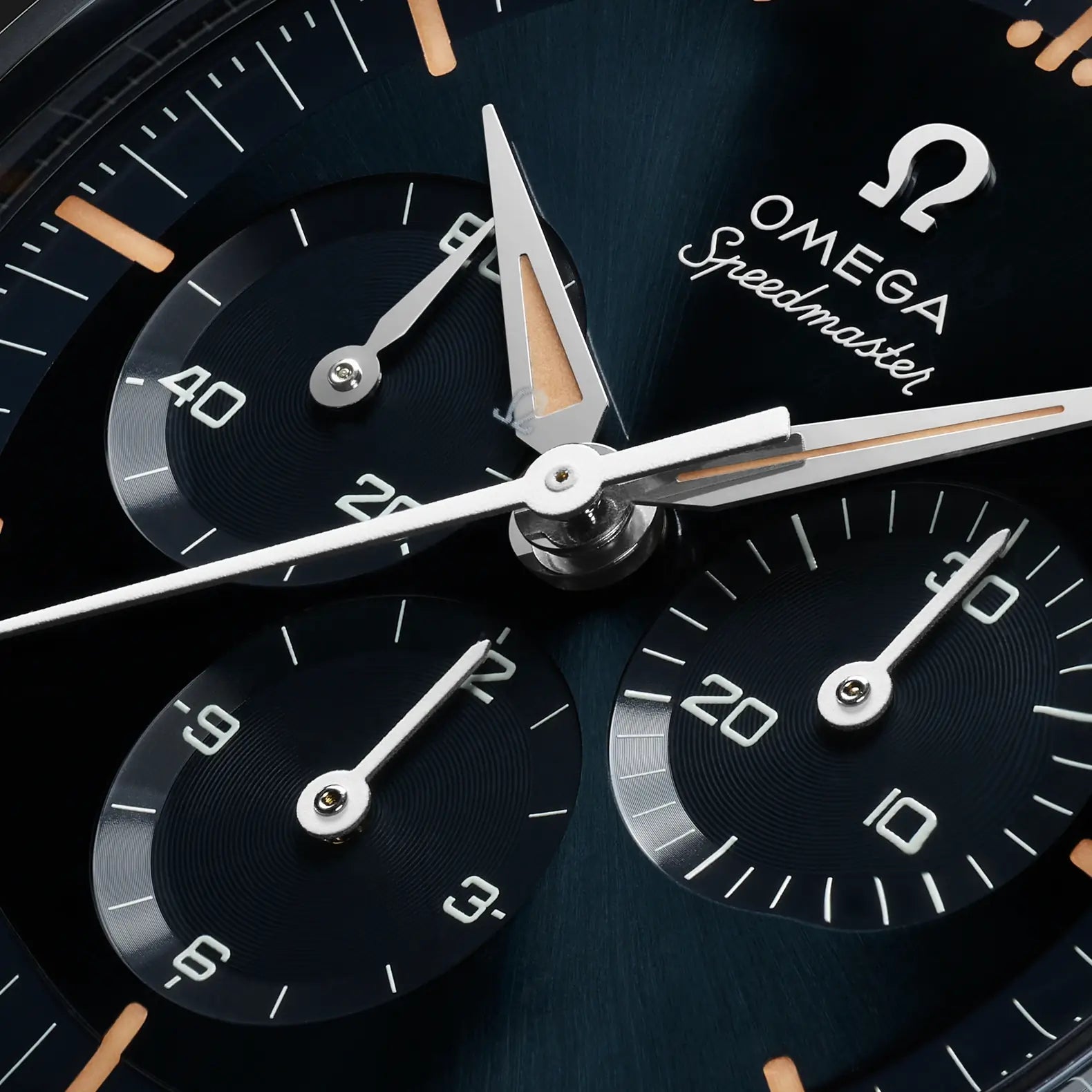
Chronograph Registers
The registers on the dial record elapsed time in measured increments, turning the watch into a practical timing instrument.
Movement
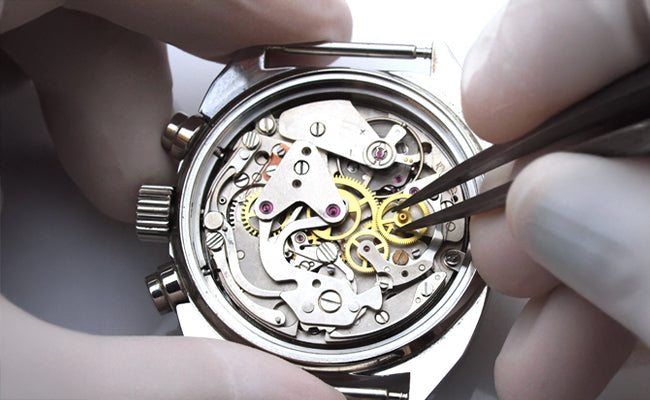
A chronograph movement is more complex than a standard three-hand calibre because it must control additional timing functions while maintaining normal timekeeping.
GMT Watch
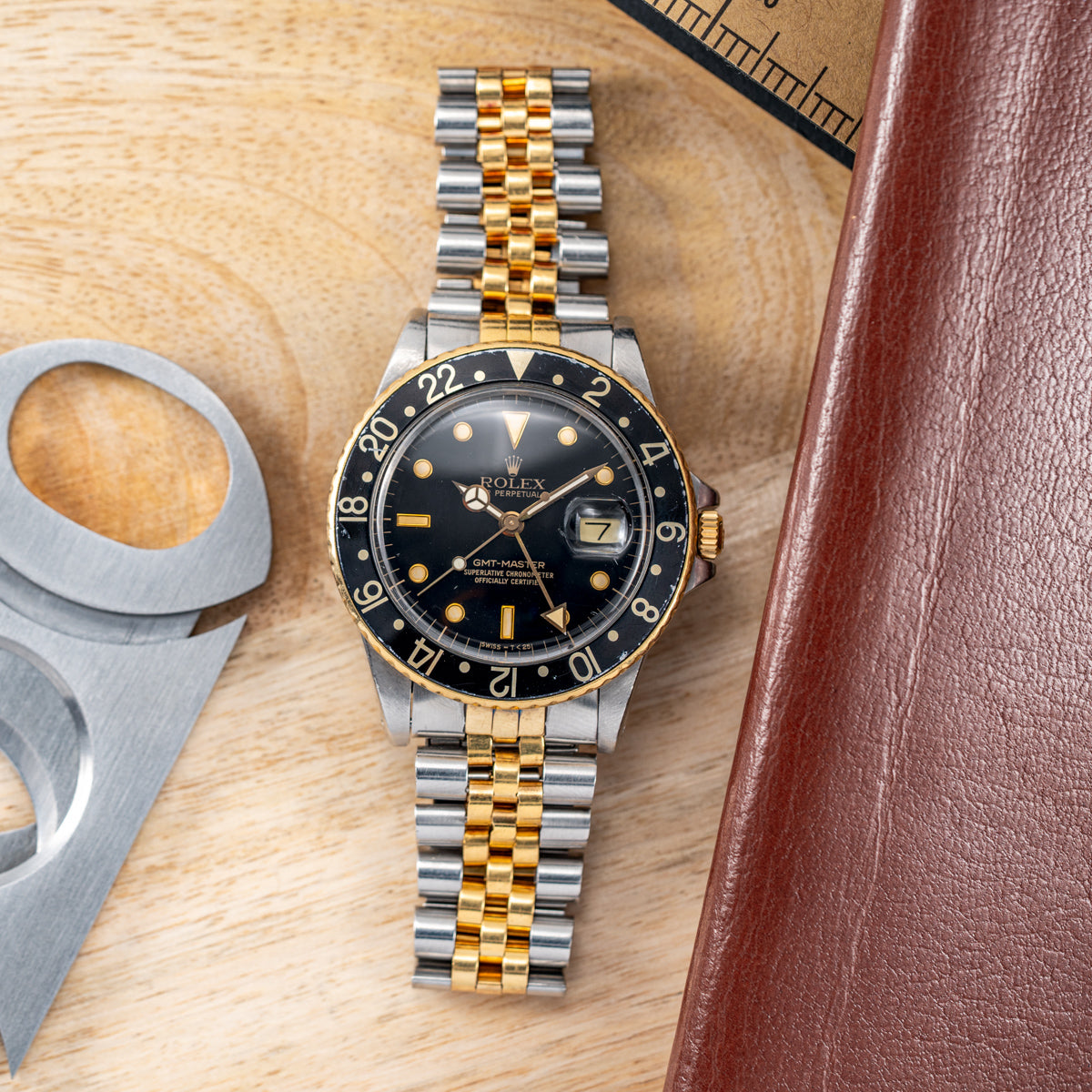
A GMT watch is designed to track more than one time zone at once. It adds a dedicated 24-hour hand and pairs it with a reference scale so a second time zone can be read quickly and clearly.
GMT Hand
The GMT hand makes one full rotation every 24 hours rather than every 12, allowing the wearer to follow a second time zone against a 24-hour reference.
24-Hour Scale
The 24-hour scale works with the GMT hand to indicate day and night in the second time zone.
Local Time Adjustment
On many GMT watches, the local hour hand can be adjusted independently, making travel easier without interrupting the movement.